Bruxism Treatment in Pasadena, CA — Stop Teeth Grinding
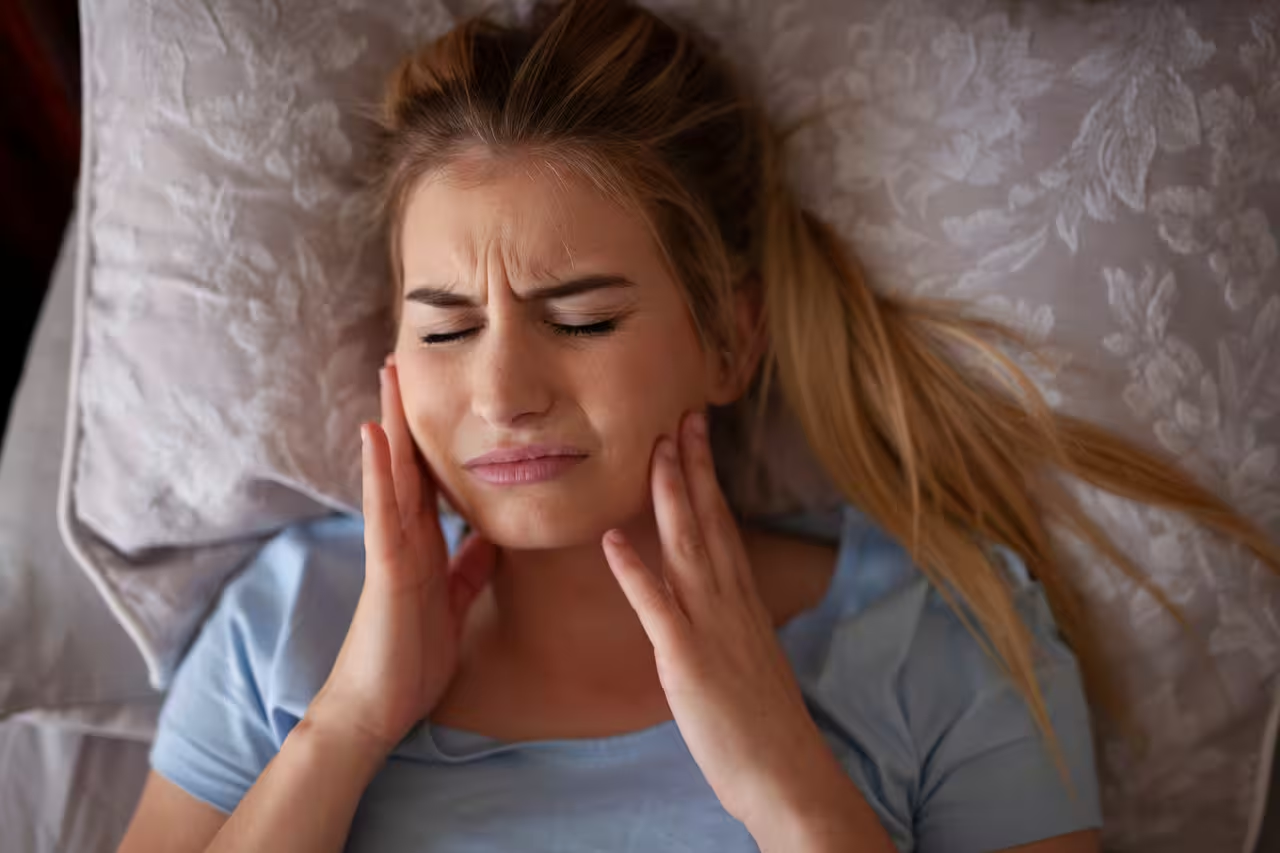
Many people who grind or clench their teeth have no idea it's happening. Bruxism — the clinical term for this habit — most often occurs during sleep, which means the first sign is often worn-down enamel or jaw soreness discovered at a routine checkup. At Joshua Dental in Pasadena, Dr. Joshua Lee, DDS takes a straightforward approach: if bruxism is present, you'll hear an honest explanation of what's happening and a clear recommendation based on what your teeth actually need — not on what's easiest to bill. We welcome new patients, work with insurance plans — details available on our Insurance & Financing page, and handle everything in-house. If you've been told you grind your teeth, or you suspect you might, this page will walk you through what to expect.
What Is Bruxism? Understanding Teeth Grinding and Clenching
Bruxism is the involuntary grinding, gnashing, or clenching of teeth. It can happen while you're awake — often in response to stress or concentration — but the most damaging form tends to occur during sleep, when you have no conscious control over it. Because sleep bruxism happens unconsciously, many patients go months or years without realizing the wear is accumulating.
Bruxism is more common than most people expect, and it affects both adults and children. The good news is that it's identifiable and treatable. Part of our general and preventive care approach is screening for signs of grinding at every cleaning and exam appointment — catching it early makes a real difference.
Common Signs and Symptoms of Bruxism
You may have bruxism if you notice any of the following:
- Waking up with a sore jaw, tight facial muscles, or a dull headache around the temples
- Teeth that look flattened, chipped, or shorter than they used to be
- Increased tooth sensitivity, particularly to temperature
- Pain or tenderness in the jaw joint or around the ears
- A partner telling you they can hear grinding sounds while you sleep
- Indentations along the sides of your tongue, or cheek tissue that feels chewed
Not everyone experiences obvious symptoms. In some cases, the only evidence is enamel wear that Dr. Lee identifies during a routine exam.
What Causes Bruxism?
Bruxism rarely has a single cause. The most commonly identified contributing factors include:
- Stress and anxiety — Emotional tension is one of the most consistent triggers, particularly for sleep bruxism
- Sleep disorders — Bruxism frequently co-occurs with obstructive sleep apnea and other sleep disturbances
- Bite misalignment — When the upper and lower teeth don't come together evenly, the jaw may compensate through grinding
- Certain medications — Some antidepressants and stimulant medications are associated with increased bruxism activity
- Caffeine and alcohol — Both can intensify grinding, especially when consumed close to bedtime
Understanding the likely cause helps shape the most effective treatment plan.
Why Bruxism Treatment Matters — Protecting Your Teeth Long-Term
Bruxism is easy to minimize because it often doesn't hurt — at least not at first. But the damage it creates is cumulative and, in the case of enamel loss, irreversible. Treating bruxism is fundamentally a protective decision, not a cosmetic one.
What Happens If Bruxism Goes Untreated
Left unaddressed, bruxism can lead to a range of increasingly serious problems:
- Enamel erosion — Enamel doesn't grow back. Once it's worn away, teeth become more sensitive and more vulnerable to decay
- Cracked or fractured teeth — The force generated during grinding can crack natural teeth and damage crowns, fillings, and other restorations
- TMJ damage — Chronic clenching places significant stress on the temporomandibular joint, which can develop into persistent jaw pain, clicking, or limited range of motion
- Chronic headaches — Tension in the jaw muscles radiates upward, contributing to frequent morning headaches and facial pain
- Eventual tooth loss — In severe or long-neglected cases, structural damage may progress to the point where teeth cannot be saved
The earlier bruxism is identified and managed, the less restorative work is typically needed down the road.
Benefits of Professional Bruxism Treatment at Joshua Dental
Teeth grinding treatment in Pasadena at Joshua Dental is built around what will actually help — not what's most convenient to recommend. Dr. Lee assesses the full picture: the degree of wear, your bite, your sleep patterns, and any related jaw symptoms. From there, a care plan is designed to protect your teeth and address contributing factors wherever possible.
Custom Night Guards vs. Over-the-Counter Options
The most common and effective first-line treatment for bruxism is a custom-fabricated occlusal guard — a precisely fitted appliance worn over the teeth during sleep to absorb and redistribute the force of grinding.
Here's how a custom guard compares to what you'll find at a pharmacy:
Store-bought guards are inexpensive, but they can create new problems while only partially addressing the original one. A custom guard is an investment in a solution that actually fits your mouth.
When Bruxism Is Connected to TMJ or Sleep Apnea
Bruxism doesn't always exist in isolation. Two conditions that frequently overlap with it are TMJ disorder and obstructive sleep apnea.
TMJ and bruxism share a close relationship — grinding puts repeated stress on the temporomandibular joint, and existing TMJ dysfunction can make clenching more likely. When both are present, treatment that addresses only one may provide limited relief. Dr. Lee evaluates for TMJ involvement as part of a thorough bruxism assessment.
Sleep apnea and bruxism also co-occur at a notable rate. Research suggests that the airway disruptions associated with sleep apnea may trigger grinding as the body attempts to reopen the airway. If your symptoms suggest a possible sleep apnea connection, we may discuss an evaluation or refer you to our sleep apnea treatment options for further assessment. Treating sleep apnea, when present, can sometimes reduce bruxism activity on its own.
What to Expect at Your Bruxism Appointment
A bruxism evaluation at Joshua Dental is straightforward and unhurried. Here's what typically happens:
- Review of symptoms — Dr. Lee will ask about your sleep habits, stress levels, jaw pain, headaches, and any symptoms you've noticed. There are no wrong answers, and the conversation is genuinely two-way.
- Clinical examination — Your teeth, bite, and jaw joint will be examined for signs of wear, cracking, or TMJ tenderness. Digital X-rays or intraoral imaging may be used to get a clearer picture of any damage.
- Discussion of findings — You'll hear a plain-language explanation of what was found and what it means. If bruxism is confirmed, Dr. Lee will walk you through the recommended approach and why.
- Impressions for a custom guard (if indicated) — If a night guard is recommended, digital or traditional impressions are taken so the guard can be fabricated to your exact bite. Most patients receive their finished guard at a follow-up visit.
- Ongoing monitoring — Bruxism is a condition that benefits from regular check-ins. Your guard will be assessed for wear at future visits, and your care plan can be adjusted as your situation changes.
The goal is to give you real answers and a clear path forward — not to rush you through a procedure.
Frequently Asked Questions About Bruxism Treatment in Pasadena
Question text goes here
Answer text goes here
Can bruxism cause permanent tooth damage?
Yes. Chronic grinding and clenching can wear down enamel, flatten or chip teeth, and crack restorations over time. Because enamel does not regenerate, damage that accumulates over months or years may require crowns, bonding, or other restorative work to correct. Early intervention is the most effective way to protect what you have.
How is a custom night guard different from a store-bought guard?
A custom night guard is fabricated from precise impressions of your teeth, so it fits your bite exactly — distributing force evenly and staying securely in place while you sleep. Over-the-counter guards use a generic shape that can shift, create uneven pressure points, and in some cases worsen jaw discomfort. A professionally made guard is also designed to last significantly longer with proper care.
Is bruxism treatment covered by dental insurance?
Coverage varies by plan. Some dental insurance policies include benefits for custom occlusal guards, particularly when bruxism has caused documented tooth damage. We recommend confirming your specific coverage before your appointment. Our team is happy to help you understand your benefits — visit our Insurance & Financing page for more information.
Can bruxism be cured, or only managed?
For most patients, bruxism is managed rather than permanently cured, because the underlying causes — stress, sleep patterns, bite alignment — often require ongoing attention. That said, addressing contributing factors can meaningfully reduce grinding frequency and intensity. A custom night guard helps protect your teeth in the meantime, and regular monitoring allows Dr. Lee to adjust your care plan as needed.
If you have questions that aren't covered here, we're always happy to talk things through before you commit to anything. Reach out or book a visit — new patients are welcome.